
Wound Care
Dr. Joseph Mechanik Takes A Comprehensive Approach to Wound Care.
Proper wound care is essential for maintaining healthy feet and preventing serious complications that can significantly impact your quality of life. Wound care specialty focuses on the prevention, assessment, and treatment of various types of wounds, with particular emphasis on foot wounds that can lead to severe health issues if left untreated.
Foot wounds present unique challenges due to the complex anatomy of the foot, constant weight-bearing pressure, and the potential for underlying conditions that impair healing. Our specialized approach recognizes that effective wound care requires understanding the intricate balance between wound healing physiology, patient-specific factors, and environmental considerations.
Foot wounds can caused by many factors, each requiring specific prevention and treatment strategies:
Traumatic Injuries
- Cuts and lacerations from sharp objects, stepping on debris, or accidents
- Abrasions from friction against rough surfaces
- Puncture wounds from nails, thorns, or sharp objects that penetrate the skin
- Crush injuries from heavy objects or compression trauma
Diabetic Complications *Ask about traditional Medicare free Diabetic shoe policy.
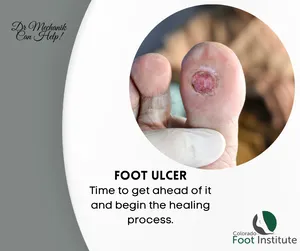
- Diabetic foot ulcers affect 15-25% of people with diabetes during their lifetime
- Neuropathy-related injuries occur due to loss of sensation, making patients unaware of minor injuries
- Peripheral vascular disease reduces blood flow to extremities, impairing healing
- *mmune system dysfunction increases infection risk and slows healing processes
Circulatory Disorders
- Peripheral arterial disease (PAD) reduces oxygen and nutrient delivery to tissues
- Chronic venous insufficiency causes fluid buildup and tissue breakdown
- Lymphatic dysfunction impairs waste removal and immune response
Pressure-Related Injuries
- Pressure ulcers develop from prolonged pressure on bony prominences
- Shear injuries occur when skin moves in opposite directions to underlying tissue
- Moisture-associated skin damage from prolonged exposure to moisture
Other Contributing Factors
- Age-related changes including thinner skin, reduced circulation, and slower healing
- Medications such as corticosteroids that impair healing
- Nutritional deficiencies in protein, vitamin C, zinc, and other nutrients
- Smoking which reduces oxygen delivery and impairs immune function
The Role of Prevention: Your First Line of Defense
Daily Foot Care Protocols
Inspection and Assessment
-Examine feet daily, including tops, soles, between toes, and around toenails
- Use a mirror or ask family members for assistance with hard-to-see areas
- Keep a written diary. Document any changes in skin color, temperature, or texture. Take pictures.
- Report cuts, blisters, bruises, or areas of increased pressure immediately
Hygiene and Skin Care
- Wash feet daily with mild soap and lukewarm water
- Dry thoroughly, especially between toes, to prevent fungal infections
- Apply moisturizer to prevent cracking, avoiding areas between toes
- Keep toenails trimmed straight across and at appropriate length
Proper Footwear Selection
Support and Fit
- Choose shoes with adequate arch support and cushioning
- Ensure proper fit with room for toe movement (typically 1/2 inch longer than longest toe)
- Avoid high heels, pointed toes, and shoes that rub or cause pressure points
- Consider custom orthotics for biomechanical issues or diabetes
Protective Features
- Select shoes with closed toes and heels for maximum protection
- Choose breathable materials to reduce moisture buildup
- Replace athletic shoes every 6-12 months or when cushioning wears out
- Avoid walking barefoot, especially outdoors or in public areas
How to Manage
Diabetes Management
- Maintain blood glucose levels within target ranges as recommended by healthcare providers
- Monitor HbA1c levels regularly and work with healthcare team to optimize control
- Manage blood pressure and cholesterol levels to reduce vascular complications
- Attend regular foot examinations with healthcare providers
Circulation Enhancement
- Engage in regular, appropriate exercise as approved by healthcare providers
- Elevate legs when resting to improve venous return
- Avoid crossing legs for extended periods
- Quit smoking and limit alcohol consumption
Nutritional Support
- Maintain adequate protein intake for tissue repair (0.8-1.2g per kg body weight)
- Ensure sufficient vitamin C (75-90mg daily) for collagen synthesis
- Include zinc-rich foods (8-11mg daily) for immune function and healing
- Stay well-hydrated to support cellular function
Regular Professional Monitoring
- Annual comprehensive foot examinations for all adults
- More frequent evaluations (every 3-6 months) for high-risk patients
- Professional nail care for patients with diabetes or circulation problems
- Early intervention for minor issues before they become major problems
Effective Management: Advanced Treatment Approaches
- Debridement Techniques
- Infection Control
- Moisture Management
- Specialized Technologies
- Negative Pressure Wound Therapy (NPWT)
- Hyperbaric Oxygen Therapy (HBOT)
- Skin Substitutes and Growth Factors
- Compression Therapy
Empowering Your Journey to Optimal Foot Health
With expert wound care, you can protect your feet, speed recovery, and maintain your mobility and quality of life. The key to successful outcomes lies in early intervention, comprehensive assessment, personalized treatment plans, and ongoing collaboration between patients and healthcare providers.
Modern wound care has evolved significantly, offering hope and healing for even the most challenging cases. Through advanced technologies, evidence-based treatments, and multidisciplinary approaches, patients can achieve optimal healing outcomes while maintaining their independence and quality of life.
Remember that wound healing is a process that requires patience, commitment, and proper care. By working closely with Dr. Joseph Mechanik and following recommended prevention strategies, you can minimize the risk of complications and maintain healthy, functional feet for life.
The investment in proper wound care today pays dividends in preventing more serious problems tomorrow. Your feet carry you through life – give them the specialized care they deserve to ensure they continue serving you well for years to come.